

Weed resistance isn’t new for Canadian wheat growers, but its spread and the economic toll it brings continue to accelerate. Herbicide‑resistant weeds are now estimated to cost the wheat industry nearly CA$500 million every year. To better understand today’s resistance pressures and what growers can do to stay ahead, we spoke with Brian Schilling, technical development/technical services specialist lead, with UPL Canada.
Q: How widespread is herbicide-resistant weed pressure in Canadian wheat today, and which regions are seeing the most impact?
Herbicide‑resistant weeds are found across most Canadian wheat‑growing regions, and the problem continues to increase each year. Pressure is especially high throughout the Prairies — the heart of Canada’s wheat production — where many growers now manage fields containing at least some level of resistance.
Resistance continues to grow in several common species, reducing the effectiveness of herbicide groups that producers have depended on for decades. As control erodes, growers are increasingly adopting more diverse and strategic management approaches to keep weed populations in check.
Q: Which weed species are currently the biggest resistance concerns for wheat growers across western Canada?
Weed resistance continues to expand across key herbicide modes of action used to control many common weeds in wheat. The most concerning species include wild oat, kochia, green foxtail, lambsquarters and wild buckwheat, several of which now show resistance to more than one herbicide group. Wild oat, for example, has plagued wheat growers for many years. It’s developed resistance to multiple modes of action (MOA), with Groups 1, 2 and 15 being the most affected — an issue of particular concern given their widespread use in western Canada. Kochia remains another high‑priority weed because of its rapid spread and long history of confirmed resistance to multiple herbicide groups.
Q: How important is using herbicides with multiple modes of action when managing resistant weeds in wheat?
Using herbicides with multiple, effective modes of action is essential for managing resistant weeds and slowing the development of additional resistance in wheat. Applying products that combine distinct active ingredients and using a layering strategy to target weeds at different stages help maintain long-term control and reduce pressure on any single mode of action.
Glyphosate alone is no longer a reliable option for tough species like kochia. With confirmed resistance to five herbicide groups (2, 4, 5, 9 and 14) across Western Canada, kochia now requires tank mixes, diverse herbicide groups and carefully timed applications supported by strong management practices. The continuing evolution of resistance in weeds like kochia and wild oat underscores the need for integrated approaches that rely on multiple, effective MOAs to maintain control and preserve the longevity of current herbicide tools.
Q: What advice do you have for growers facing multiple-resistant weed populations in wheat?
Managing weeds early is one of the most effective ways to delay resistance development, reduce weed populations and limit overall growth. Incorporating best‑management practices such as regular field scouting, diversified crop rotations and increasing crop competition through adjusted seeding rates or targeted fertilizer placement help strengthen control and minimize selection pressure.
Using herbicides with multiple effective modes of action is also essential. One option is Batalium® herbicide, which brings together four active ingredients (flucarbazone, fluroxypyr, bromoxynil and MCPA) to target the most challenging weeds found in Western Canadian spring, winter and durum wheat fields. These active ingredients contain three modes of action (Groups 2, 4, and 6) to manage both resistant and susceptible broadleaf species. Group 2 flucarbazone is specifically for control of Group‑1‑resistant and susceptible wild oat.
Developed through UPL’s formulation expertise, Batalium herbicide offers growers a single, convenient formulation optimized for performance, storage, handling and mixing, helping streamline weed‑management decisions in challenging resistance environments.
To learn more about how to manage weed resistance in your wheat crop, talk to your local UPL representative or visit uplcorp.com/ca.
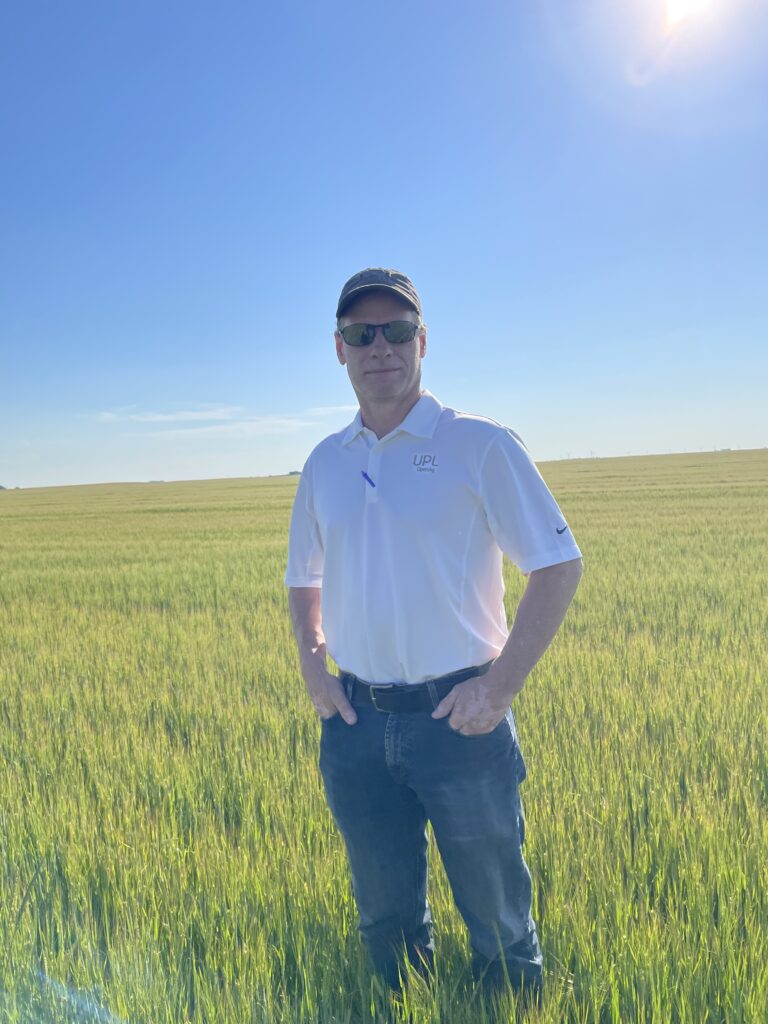
Brian Schilling
Technical Development/Technical Services Specialist Lead, UPL Canada
brian.schilling@upl-ltd.com